Last June I was interviewed by
Amdeep Sanghera as part of a
Marine Conservation Society funded study to determine key marine conservation issues affecting the Turks and Caicos Islands. Last evening a small group of individuals and I attended a meeting at DEMA to hear about the results of those findings and enter into discussion on possible solutions. The largest concerns of the overall study were 1.Decline in conch, lobster, and reef fish 2.Damaging development and water activities 3.Lack of enforcement of existing laws and legislation. Our group came up with several great ideas; an adopt a dive or snorkel mooring initiative, an artificial reef initiative, increased signage within the national parks, a fish certification scheme coordinated between local restaurants and fishermen, workshops on eco-minded fishing and lobster catching practices, a DEMA officer of the month rewards program, a volunteer warden program, an incentive program for local businesses to be DEMA certified operators, and an awareness campaign via a list of top ten tips for conservation practices here in the Turks and Caicos that would be published and broadcast throughout the country for all visitors and residents alike. We are looking for YOUR ideas! What do you think can be done to conserve our environment? What would be on your top ten list of tips?
The
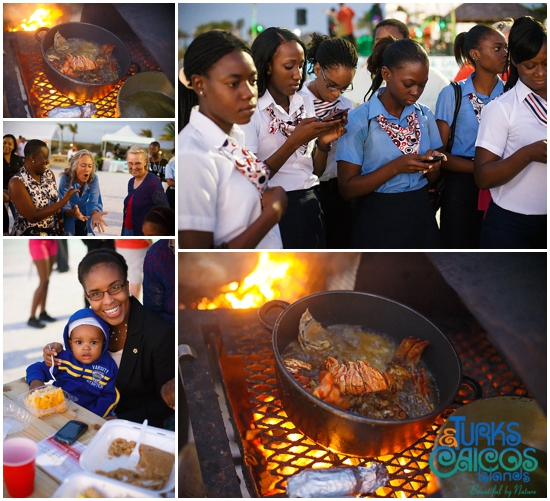
Thursday Night Fish Fry is a superb example of how connected our marine environment is connected to our vital tourism industry here in the Turks and Caicos Islands. CNN has just published a fantastic article,
Fish Fry Bridges Tourist-Local Gap in Turks and Caicos, but as importantly, it forms an alliance between the environmental community and the tourism community. This allegiance needs to be strengthened and solidified so these co-dependent sectors can sustain one another. We need to keep our oceans healthy, to keep our marine species thriving and their habitats safe and a new threat has just surfaced.

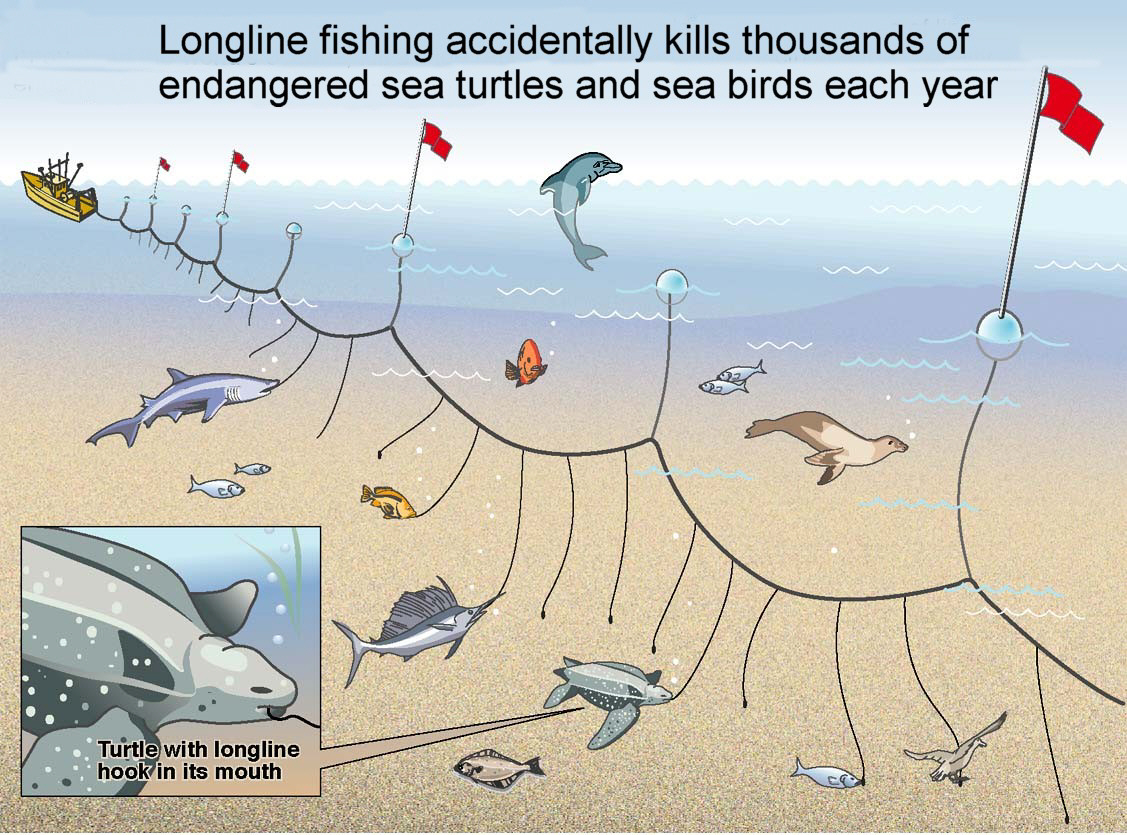
“The Turks and Caicos Islands, known throughout the world for their pristine beaches and diverse marine wildlife, is being threatened by a project which seeks to determine the viability of a commercial pelagic fishery in their waters. This exercise will open Turks and Caicos waters to long-line commercial fishing vessels. This indiscriminate method causes depleted fish stocks and excessive incidental catch, including sea turtles and billfish . Pelagic long-line commercial fishing is incompatible with the Turks and Caicos Islands’ unique marine waters that provide healthy ecosystems for marine species and our “Beautiful by Nature” mantra. Good conservation and responsible use of our marine resources are the true “sustainable” methods; ours is more than a label, it is a way of life.”
Furthermore, local resident and expert Delphine Hartshorn, writes, “Whether this is just a study or not, we must not allow longlines to enter our waters. Incidental, or unwanted, catch will threaten our billfish, turtle, shark and marine mammal populations as well as seabirds. 97% of blue marlin and 93% or white marlin are overfished as a direct result of pelagic longline commercial fishing. Those supporting longlining will argue that bycatch is released live, however, the majority will not survive after the stress and injuries caused from being hooked and dragged for 8 hours or more before release. The particular firm involved here will also argue that they hold MSC certification as a sustainable fishery. More than one quarter of MSC certified fisheries have been deemed unsustainable and out of 71 that were examined, 31% were concluded to be overfished and subject to continued overfishing. If this certification is so stringent in it’s guidelines then why were 189 out of 200 applicants granted certificates? It is merely a marketing tool that allows uninformed consumers to feel they are making sustainable choices when buying fish and for fisheries that are not sustainable to make the claim. A viable solution would be to review the existing fisheries ordinance and allow charter boats, which use rod and reel, to sell their catch – keeping the fish, jobs and money in TCI. Not to mention these commercial vessels are US owned and operated, meaning minimal jobs for Turks Islanders, and if any, strictly minimum wage. Let’s preserve our diverse marine environment and ban this ridiculous idea. And for those who believe that the impact of this proposed study for a pelagic longline fishery will only extend to the charter and recreational sportfishing community, you are very wrong. The impact will affect all industries including tourism, other water based activities, real estate, and the Turks and Caicos Islands’ ‘Beautiful by Nature’ brand as a whole. Please support the cause and help us stop this before it starts. Once those lines are in the water it will be hard to get them out.”
Please
click here to take a moment to sign this very important petition.


.jpg)